
Exploring the Aromas of Moroccan Spices in Traditional Dishes
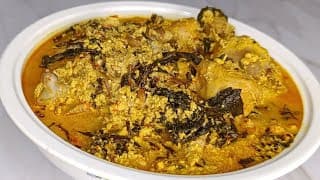
Step into a Moroccan kitchen and the first thing that greets you is an aroma so layered and complex it feels almost like a landscape. Cumin, coriander, cinnamon, ginger, turmeric, and the prized ras el hanout — a spice blend that can contain upwards of thirty individual ingredients — work together not to overpower a dish but to create depth that unfolds slowly with every bite. Moroccan cuisine understands that spice is not heat; it is warmth.
“In Morocco, the spice market is not just a place to buy ingredients. It is a library of history — every jar on the shelf carries the memory of trade routes, ancient kingdoms, and generations of home cooks.”
The tagine is perhaps the most iconic expression of Moroccan spice philosophy. Lamb slow-cooked with preserved lemon and olives, chicken braised with saffron and honey, chickpeas stewed with harissa and root vegetables — each dish uses a different combination of spices to tell a distinct story. The long, slow cook time is deliberate: it allows the spices to bloom, meld, and transform, creating sauces that are simultaneously sweet, savory, earthy, and bright. You cannot rush a tagine, and you would not want to.
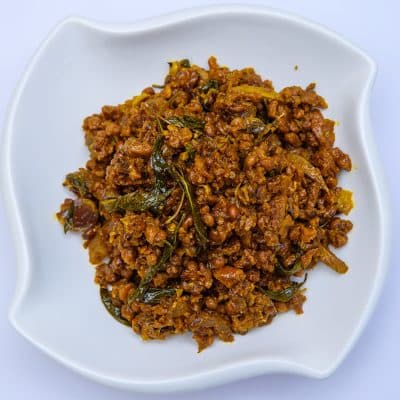
Bringing Moroccan flavors into your kitchen begins with building a simple spice pantry: cumin seeds, ground coriander, cinnamon, sweet paprika, and a good ras el hanout blend. From there, our collection of Moroccan-inspired recipes will guide you through every layer of this extraordinary culinary tradition.